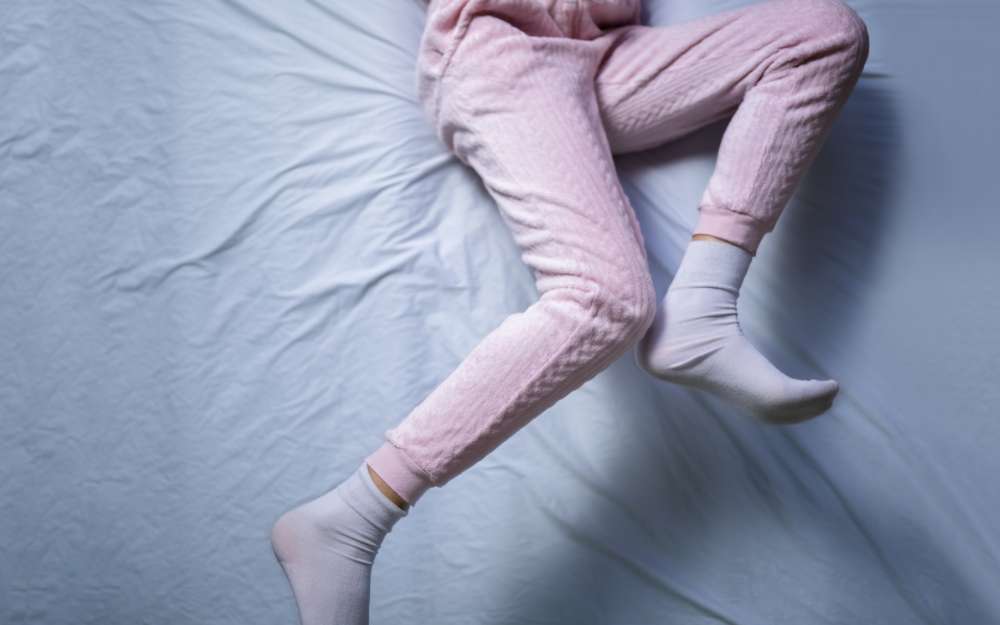
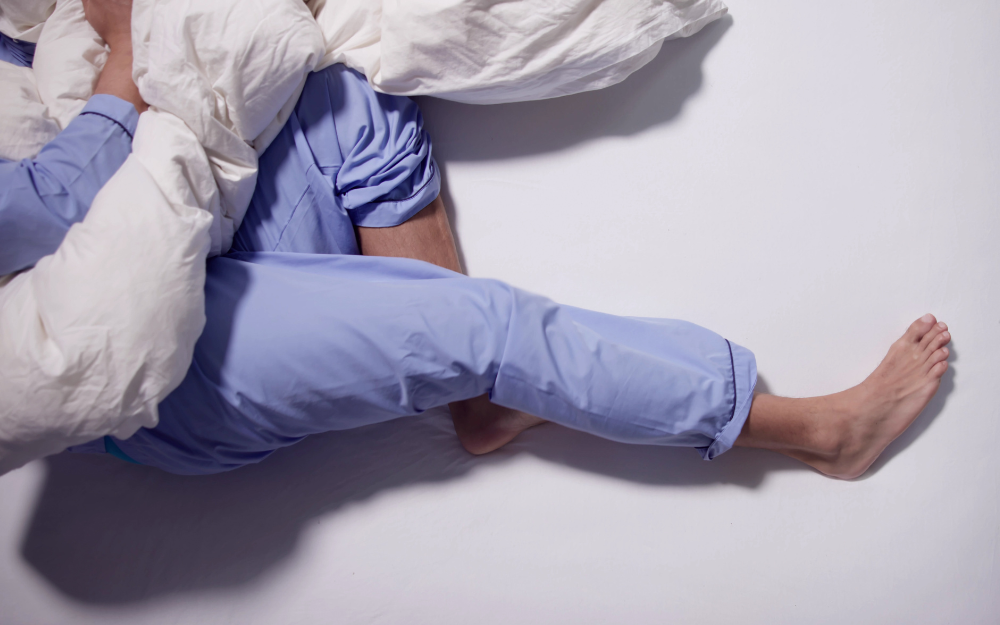
If you’ve ever experienced an uncomfortable urge to move your legs while trying to relax or fall asleep, you may have wondered whether something more is going on. For people with restless leg syndrome, these sensations can become a nightly disruption that interferes with sleep quality and overall well-being.
At Sleep Wellness Center, we help patients better understand sleep-related conditions that affect both nighttime rest and daytime energy. Restless leg syndrome is one of the most common neurological sleep-related disorders, yet many people don’t realize their symptoms have a name or that treatment options are available.
What Is Restless Leg Syndrome?
Restless leg syndrome (RLS) is a neurological condition that causes an overwhelming urge to move the legs. The sensations are often described as:
- Tingling
- Crawling
- Pulling
- Itching
- Aching
- “Pins and needles” feelings
These symptoms usually occur when sitting still or lying down and often improve temporarily with movement.
Common Restless Leg Syndrome Symptoms
Symptoms of restless leg syndrome can vary in severity, but they commonly include:
- An irresistible urge to move the legs
- Discomfort that worsens during periods of rest
- Temporary relief after walking or stretching
- Symptoms that are more noticeable in the evening or nighttime
- Difficulty falling asleep or staying asleep
For some people, symptoms may occur only occasionally. For others, they can become chronic and disruptive to daily life.
Why Restless Leg Syndrome Gets Worse at Night
One of the defining characteristics of restless leg syndrome is that symptoms typically intensify during the evening and nighttime hours. There are a few reasons why this happens.
Your Body’s Circadian Rhythm Plays a Role
Like many sleep-related conditions, restless leg syndrome is connected to the body’s internal clock. Certain brain chemicals involved in movement and nerve signaling naturally fluctuate throughout the day, and symptoms often become stronger during periods of relaxation at night.
Symptoms Become More Noticeable During Rest
During busy daytime hours, movement and activity may temporarily mask symptoms. But once the body slows down in the evening, uncomfortable sensations often become more noticeable.
This is why many people first experience symptoms:
- While watching TV
- Sitting for long periods
- Traveling
- Lying in bed trying to fall asleep
Sleep Deprivation Can Worsen Symptoms
Poor sleep and restless leg syndrome can create a frustrating cycle. Symptoms interfere with sleep, and lack of sleep may then worsen symptoms the following night. Over time, this cycle can contribute to chronic fatigue and daytime exhaustion.
How Restless Leg Syndrome Affects Sleep
Because symptoms often peak at bedtime, restless leg syndrome can make it difficult to:
- Fall asleep
- Stay asleep
- Reach deeper, restorative stages of sleep
As a result, many people with RLS experience:
- Daytime fatigue
- Trouble concentrating
- Irritability
- Reduced energy levels
Even if someone spends enough time in bed, their sleep may still feel unrefreshing.
Who Is Most at Risk for Restless Leg Syndrome?
Restless leg syndrome can affect anyone, but certain factors may increase the likelihood of developing symptoms:
- Family history of RLS
- Iron deficiency
- Pregnancy
- Chronic medical conditions
- Certain medications
- Increasing age
When Symptoms Shouldn’t Be Ignored
Occasional leg discomfort after a long day may not always point to restless leg syndrome. However, it may be time to seek evaluation if:
- Symptoms happen frequently
- Sleep quality is being affected
- Daytime fatigue is becoming noticeable
- Leg sensations interfere with relaxation or daily activities
Persistent sleep disruption should not be considered “normal.”
How Restless Leg Syndrome Is Diagnosed
Diagnosing restless leg syndrome typically begins with a review of symptoms, sleep patterns, and medical history. A sleep specialist may also evaluate for other sleep-related conditions that could be contributing to nighttime disruptions.
In some situations, additional sleep testing may be recommended if symptoms overlap with other disorders affecting sleep quality.
Treatment Options for Restless Leg Syndrome
Treatment for restless leg syndrome depends on symptom severity and possible underlying causes. Recommendations may include:
- Addressing iron deficiency if present
- Lifestyle and sleep habit adjustments
- Reducing caffeine or alcohol intake
- Managing contributing medical conditions
- Medications when appropriate
The goal is to reduce symptoms, improve sleep quality, and support overall daily functioning.
Better Sleep Starts With Understanding the Cause
Restless leg syndrome symptoms can be frustrating, especially when they consistently interfere with your ability to relax and fall asleep. But understanding why symptoms worsen at night is an important step toward finding relief.
Sleep Wellness Center helps patients throughout Fargo, Grand Forks, and surrounding communities evaluate sleep concerns and identify conditions that may be disrupting restorative rest. If nighttime leg discomfort or ongoing sleep disruption is affecting your quality of life, our team is here to help.