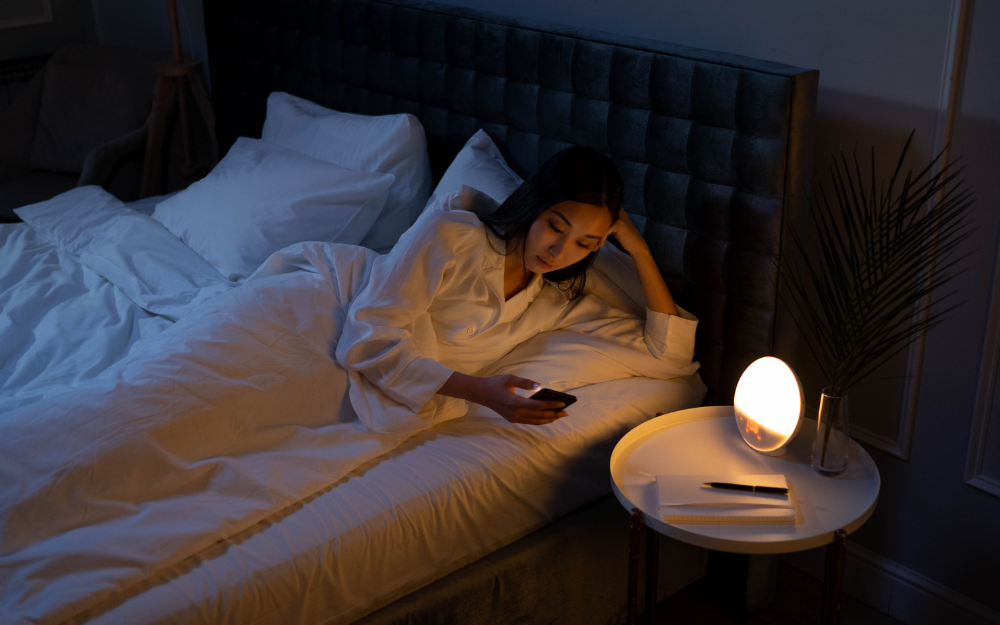
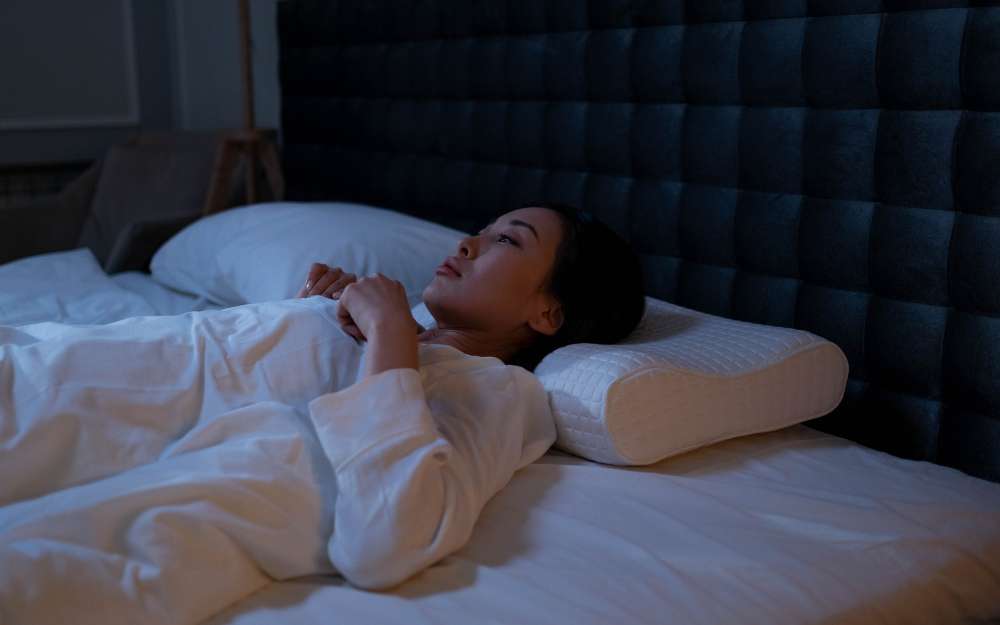
If you find yourself tossing and turning more during the summer months, you’re not alone. Many people notice changes in their sleep as the seasons shift, especially when days get longer and schedules become less consistent.
At Sleep Wellness Center, we often hear patients ask why their sleep seems worse in the summer. While it may feel frustrating, there are clear reasons behind these seasonal disruptions, and steps you can take to improve your sleep.
What is Seasonal Insomnia?
Seasonal insomnia refers to temporary sleep difficulties that occur during certain times of the year. In the summer, longer daylight hours, warmer temperatures, and changes in routine can all interfere with your body’s natural sleep-wake cycle.
Even if you typically sleep well, these seasonal shifts can make it harder to fall asleep, stay asleep, or feel rested in the morning.
Why Summer Can Disrupt Your Sleep
Longer Daylight Hours
Your body relies on light exposure to regulate its internal clock, also known as your circadian rhythm. During the summer, extended daylight can delay the release of melatonin, the hormone that signals it’s time to sleep.
As a result, you may not feel tired at your usual bedtime.
Warmer Temperatures
A cooler body temperature helps signal that it’s time for sleep. Hot, humid nights can make it difficult for your body to cool down, leading to more restless and disrupted sleep.
Changes in Routine
Summer often brings travel, social events, and less structured schedules. Later nights, inconsistent bedtimes, and irregular wake times can throw off your sleep rhythm.
Increased Evening Activity
More daylight often means more activity in the evening, whether it’s time outdoors, exercise, or socializing. While these are positive lifestyle habits, they can sometimes make it harder to wind down before bed.
Signs Your Sleep Is Being Affected
Seasonal insomnia can show up in different ways, including:
- Trouble falling asleep at night
- Waking up more frequently
- Feeling restless or overheated
- Waking up tired despite enough time in bed
- Daytime fatigue or difficulty concentrating
If these symptoms sound familiar, your sleep may be reacting to seasonal changes.
How to Improve Sleep During the Summer
While you can’t control the seasons, you can adjust your habits to support better sleep.
Keep Your Sleep Schedule Consistent
Try to go to bed and wake up at the same time each day, even on weekends.
Control Light Exposure
Use blackout curtains or an eye mask to reduce early morning and evening light. Limit screen time before bed to help your body naturally produce melatonin.
Keep Your Bedroom Cool
Lower the temperature in your room if possible. Use fans, breathable bedding, or lighter sleepwear to stay comfortable.
Create a Wind-Down Routine
Give your body time to transition from activity to rest. Reading, stretching, or dimming the lights can help signal that it’s time to sleep.
Be Mindful of Late-Night Activity
Try to avoid intense exercise, large meals, or stimulating activities too close to bedtime.
When It Might Be More Than Seasonal
While seasonal insomnia is common, ongoing sleep issues shouldn’t be ignored. If you continue to experience:
- Loud snoring
- Pauses in breathing during sleep
- Persistent fatigue
- Difficulty staying asleep
It might be time to look beyond seasonal changes. Conditions like chronic insomnia can disrupt sleep year-round, but symptoms may become more noticeable during times of change.
Understanding what’s affecting your sleep is the first step toward improving it. Sleep Wellness Center offers both home sleep studies and in-lab testing to evaluate breathing, oxygen levels, and sleep disruptions. These tests help identify whether a sleep disorder is contributing to your symptoms and guide the right treatment.
Contact Sleep Wellness Center, we are here to help you get back to restful, consistent sleep - no matter the season.