
Sleep Apnea & Snoring

Sleep Apnea
Sleep apnea is a sleep disorder that affects millions of Americans.
People with this condition momentarily stop breathing while asleep because the muscles that control your upper airway relax too much, narrowing or even completely blocking your airway.
This struggle to breathe—which results in snoring—can occur several hundred times each night which explains why your body is exhausted, night after night even after 8 to 10 hours of sleep. Left untreated, sleep apnea has been linked to heart problems, high blood pressure, diabetes, weight gain, depression, impotence, and even sudden death while sleeping.
People of all ages can develop sleep apnea, and most don’t realize they have it unless a family member gets irritated by disruptive snoring or a nurse notices a sleep disruption during a hospital stay. It is most common for people who are overweight or have a large neck which constricts the upper airway.
Common Symptoms of Sleep Apnea
Loud Disruptive Snoring
Gasps or breathing lapses
Frequent nighttime awakenings
Morning headaches and fatigue
Chronic sleepiness during the day
Increased irritability
Learn More About Sleep Apnea
April 20, 2026
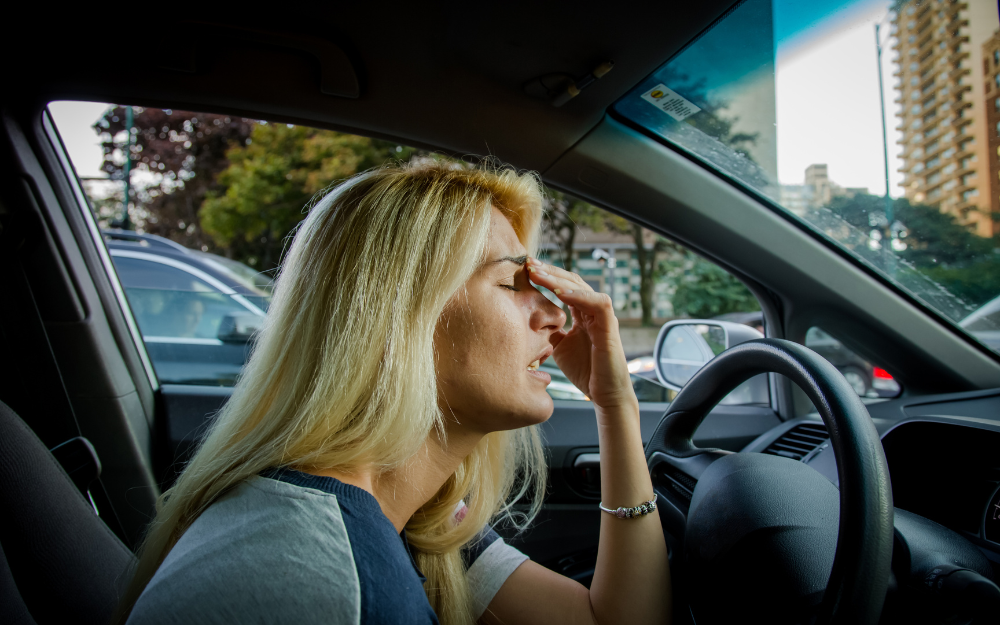
Untreated Sleep Apnea Can Affect More Than Your Sleep
If you've read our previous post on what causes sleep apnea, you already know that […]
April 6, 2026
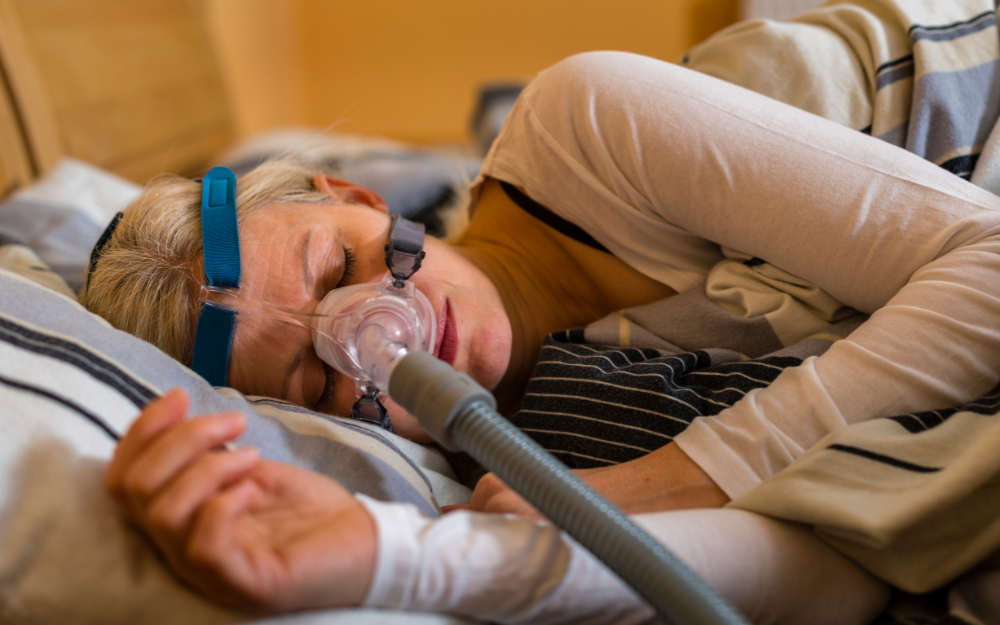
What Causes Sleep Apnea?
Sleep apnea is one of the most common sleep disorders, yet many people don’t fully […]
December 4, 2025
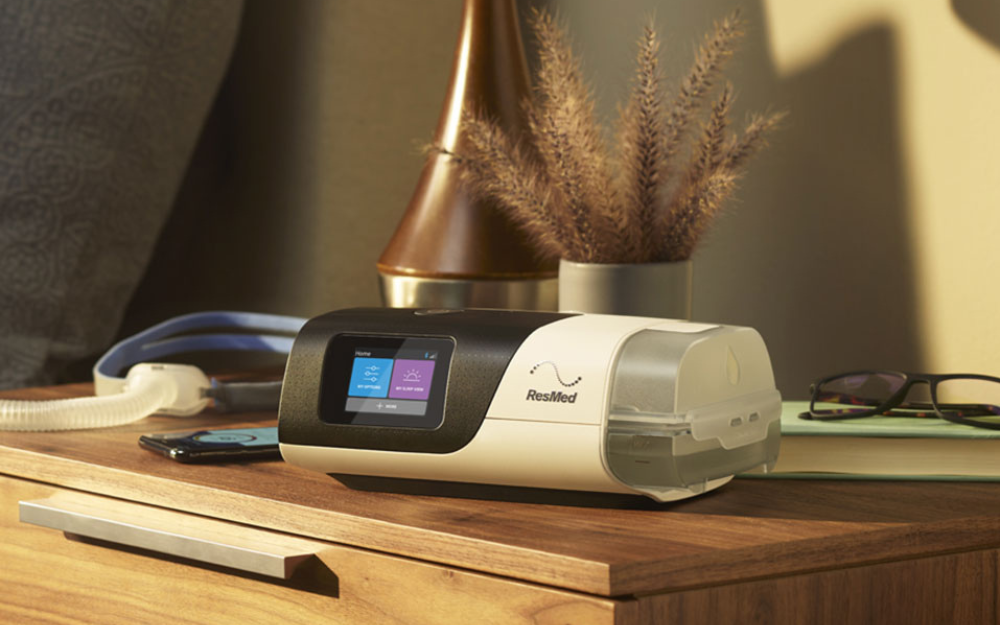
What is a CPAP Machine?
If you’ve been told you might have sleep apnea, chances are you’ve heard of a […]
COMMON QUESTIONS ABOUT SLEEP APNEA
Is sleep apnea dangerous if left untreated?
Sleep apnea should not be ignored. Untreated obstructive sleep apnea is associated with health concerns including high blood pressure, cardiovascular disease, daytime sleepiness, and an increased risk of accidents. Getting evaluated and treated can help reduce the effects of sleep apnea on your health and quality of life.
Who is at risk for sleep apnea?
Sleep apnea can affect people of any age or body type. Risk factors may include excess weight, a larger neck circumference, certain airway or facial structures, family history, age, and other health conditions. Men and postmenopausal women may also have increased risk.
Why am I still tired after 8 hours of sleep?
If you're sleeping for a full night but still waking up exhausted, repeated breathing interruptions may be disrupting your sleep without you realizing it. Sleep apnea can cause repeated brief awakenings and changes in oxygen levels that interfere with restorative sleep.
How is sleep apnea diagnosed?
A sleep study is used to diagnose sleep apnea. Depending on your symptoms and medical history, your provider may recommend an in-lab polysomnogram or a home sleep apnea test. These tests monitor breathing and other measurements to determine whether sleep apnea is present.
Can sleep apnea be treated?
Yes. Sleep apnea is treatable. Depending on the type and severity of sleep apnea, treatment may include CPAP therapy, oral appliances, lifestyle changes, or other approaches designed to improve breathing during sleep.
Can snoring be a sign of sleep apnea?
Yes. Snoring does not always mean someone has sleep apnea, but loud or chronic snoring, particularly when accompanied by gasping, choking, or pauses in breathing, can be a warning sign. Learn more about sleep apnea and snoring.
Other Sleep Disorders
Insomnia
Shift Work
Disorder
Narcolepsy
Restless Leg
Syndrome
Concerned About Sleep Apnea?
A sleep study will determine if you have sleep apnea, which is a treatable issue. There are several innovative therapies that can help you manage sleep apnea so you are able to get healthy, restful sleep.